




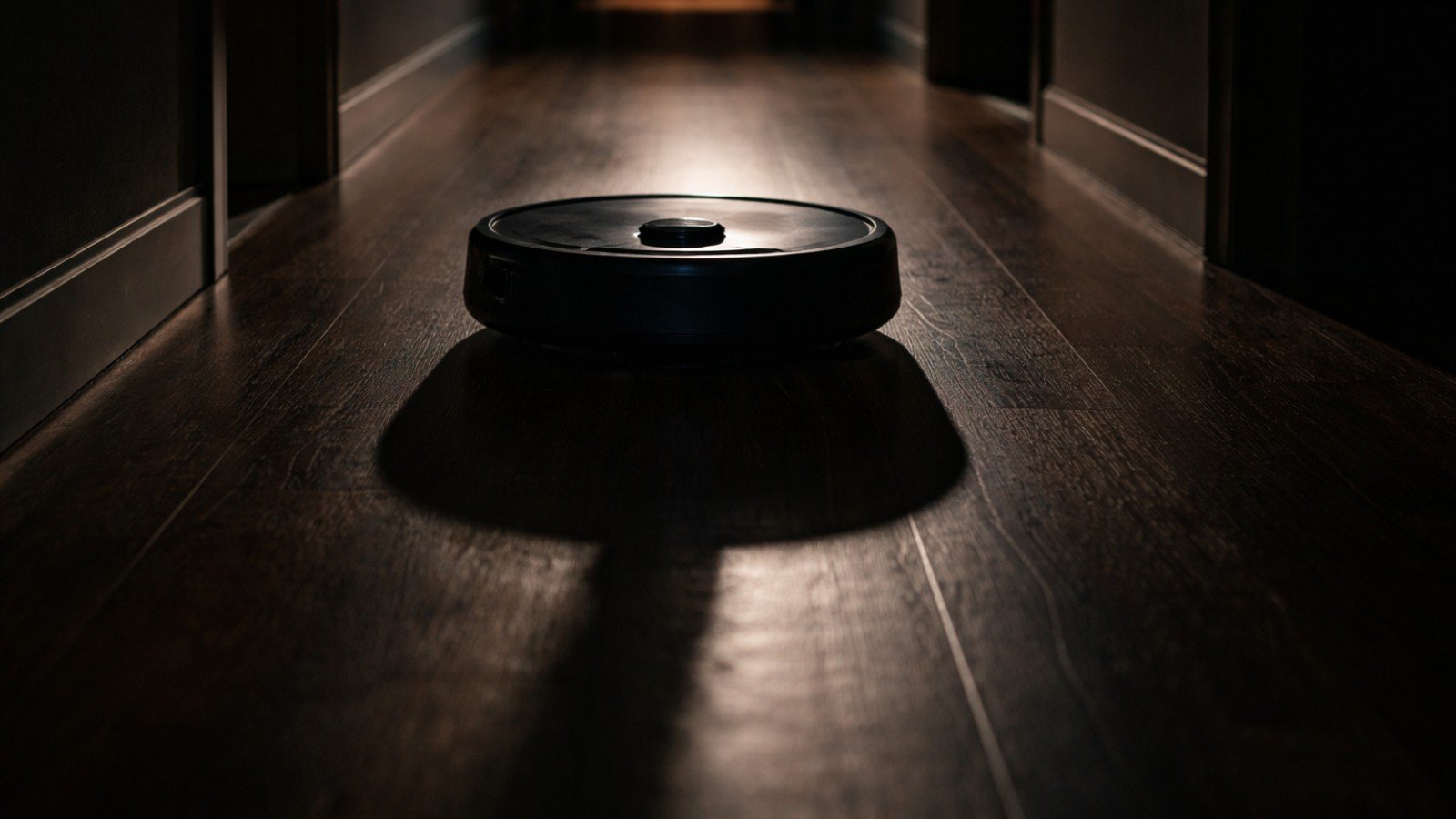
A bizarre tech glitch has the internet staring at their living rooms like they’re crime scenes, after one user reportedly became the accidental commander of a robot vacuum army—with access that allegedly stretched far beyond his own home, according to coverage that set off alarms across tech circles.
What started as “why is my vacuum acting weird?” reportedly turned into “why am I seeing other people’s floor plans?” And once that door is open, the vibe goes from funny to unsettling in about three seconds.
Table of Contents
How the “Robot Vacuum Army” Allegedly Started With One Tweak
Nobody installs a smart vacuum thinking they’ll end up with a global control panel. But late Tuesday night (as described in reporting published in Feb. 2026), one user reportedly went digging into device behavior while troubleshooting mapping issues.
The claim is that while tinkering, he reverse-engineered how his vacuum talked to the backend—and allegedly stumbled into an authentication weakness that wasn’t as locked down as it should’ve been.
And then the app wasn’t just showing his place anymore.
It was reportedly displaying access points tied to other devices—floor plans, controls, and more—across multiple regions. The moment it “worked” wasn’t a win. It was a cold-sweat moment.
Coverage described the scope as spanning thousands of units, with details echoed in broader reporting that focused on the privacy implications and the unnerving “this could be anyone” factor, including international coverage of the incident.
And if your home has ever been mapped by a robot vacuum, you already know what that data feels like: not just a layout, but a weirdly intimate snapshot of your routine.
The Smart Home Privacy Nightmare Nobody Asked For
Here’s the part that makes people stop laughing.
We’re not talking about a harmless pairing hiccup or a small settings leak. The reporting framing that set social media off is the alleged scale—and the idea that access wasn’t limited to one device or one account.
According to one detailed write-up, the user reportedly had the ability to control movement, access camera feeds (on models that include them), and even trigger audio on roughly 7,000 active devices—a number that immediately turned the story into “group chat panic” material, as described in a breakdown that went viral among tech readers.
Even if you’ve never cared about IoT security before, the mental image is enough: you’re making coffee… and your vacuum suddenly pivots like it got a new boss.
If you’re already thinking “unplug everything,” you’re not alone. This is exactly why smart homes can feel less like convenience and more like a door you forgot to deadbolt.
Social Media Erupts: Jokes, Panic, and “Unplug It Now” Energy
Once this hit the timeline, the reaction wasn’t subtle.
People on X and TikTok immediately split into two camps:
- The “this is hilarious, let them unionize” crowd
- The “why is my vacuum connected to the internet at all?” crowd
One viral joke summed up the mood: “I didn’t have a robot vacuum uprising on my 2026 bingo card.” And that’s funny—until you remember these devices map homes, track obstacles, and (in some cases) include cameras or microphones.
It’s the kind of story that makes even non-tech people suddenly ask real questions:
Who can see this data?
Where is it stored?
What happens when “a glitch” becomes “access”?
So… What Does This Mean for Your Connected Home Right Now?
Even with “reportedly” doing heavy lifting here, the bigger takeaway is loud: smart devices are only as safe as the systems behind them.
If one person can allegedly stumble into massive access while tinkering, the uncomfortable question is what happens when it’s not accidental.
Manufacturers can patch vulnerabilities, but public trust is harder to patch. Once people believe their home layout, camera feed, or device control could be exposed, the fear sticks—even if fixes roll out fast.
The good news: most people don’t need to live in panic mode. The practical move is making your network harder to mess with than the average house on the block. Start with basics like router updates, strong passwords, and separating smart devices onto a guest network if you can.
Conclusion
The “vacuum glitch of 2026” is funny in concept and unsettling in reality. A robot vacuum army sounds like a meme—until it’s your floor plan on someone else’s screen. Are you unplugging your smart devices today, or is the convenience still worth the risk?