




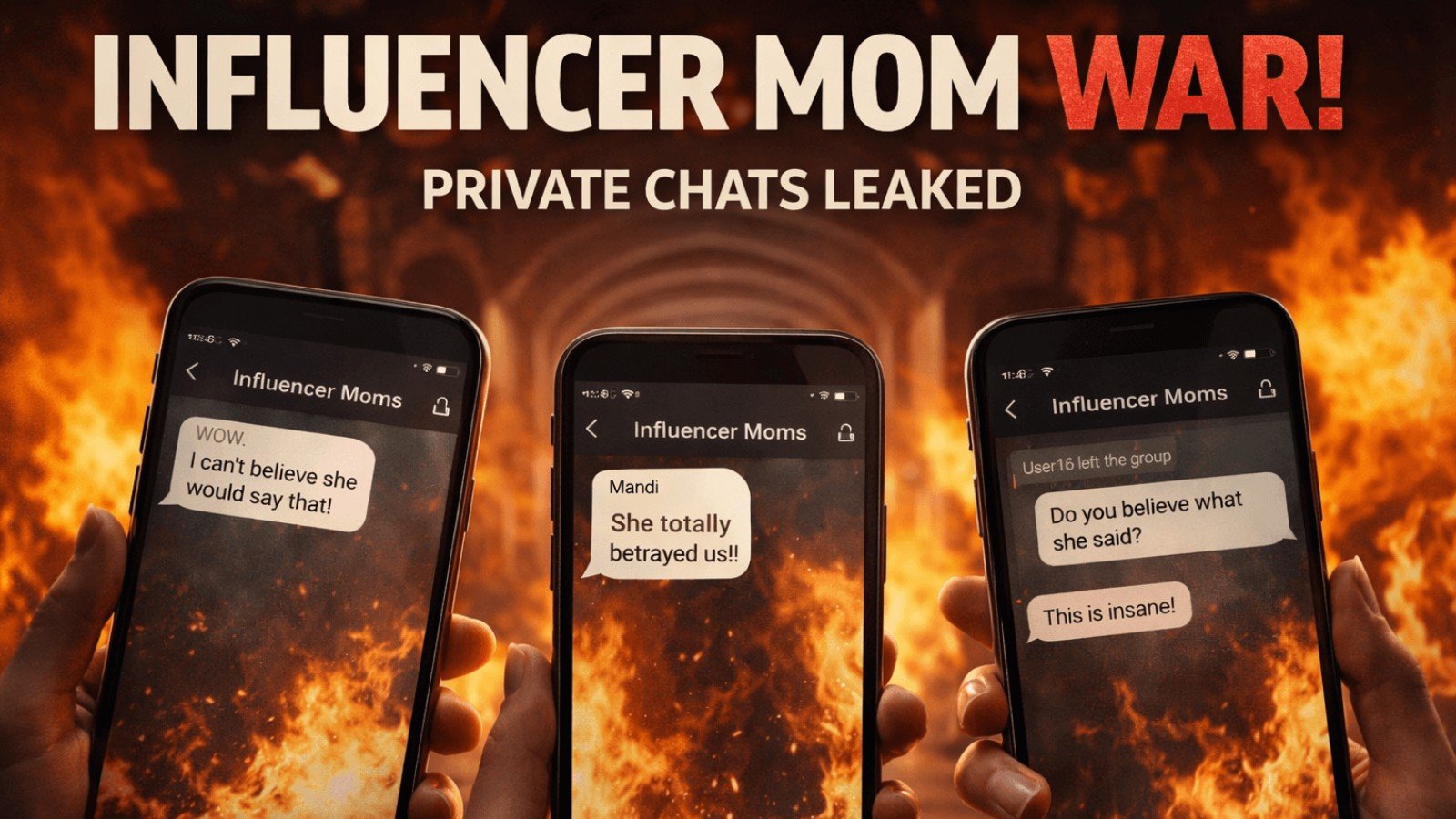
It started quietly. Then it didn’t.
Thank you for reading this post, don't forget to subscribe!Screenshots from a private “Wolfpack” group chat — allegedly shared without consent — began circulating across TikTok, Instagram, and X. Within hours, creator commentary accounts were stitching reactions, slowing down messages, and highlighting lines that felt less like friendship and more like loyalty tests.
At the center of the storm were influencer moms Rachel Graham and Mandi Mattei, whose relationship appeared fractured in the leaked messages. What was once marketed as a supportive creator collective suddenly looked transactional, strategic, and — according to critics — emotionally manipulative.
The result? A viral pile-on.
What the Leaked Chats Actually Show
The screenshots don’t reveal crimes or scandalous secrets. Instead, they expose something more uncomfortable: power dynamics.
Messages allegedly show expectations around public support, coordinated posting, and silence during conflicts. Some creators felt pressure to “prove” loyalty. Others appeared to be quietly iced out for not playing along.
Viewers weren’t reacting to shock value alone. They were reacting to recognition. Many commenters said the dynamics mirrored toxic friend groups, MLM-style communities, or influencer pods where access equals leverage.
That relatability is why the wolfpack influencer mom war spread so fast.
TikTok Picks Sides — And Makes It Worse
Once TikTok got involved, neutrality vanished.
Creators began posting “I’m done staying silent” videos. Reaction channels slowed footage frame by frame. Comment sections turned into battlegrounds, with users declaring themselves “Team Rachel” or “Team Mandi” and demanding statements from anyone even loosely associated with the Wolfpack circle.
Algorithmically, the drama was unstoppable. Videos criticizing the group surged past seven figures. Duets multiplied. Silence became suspicious.
For influencers watching from the sidelines, the message was clear: speak now or be dragged later.
The Influencer Mom Brand Problem
This wasn’t just gossip. It hit a nerve because influencer moms trade heavily on authenticity.
Their brands are built on trust, relatability, and “real life.” When private messages suggest behind-the-scenes coordination or emotional pressure, followers feel misled — even if nothing illegal occurred.
That’s the real damage of the wolfpack influencer mom war. It reframed how audiences interpret creator friendships, especially in monetized spaces where group dynamics can quietly influence visibility, brand deals, and audience perception.
Why Group Chats Keep Becoming Public Disasters
Private creator chats keep leaking for one simple reason: scale.
As groups grow, trust thins. Screenshots become receipts. And once someone feels excluded or wronged, the temptation to “show the truth” outweighs loyalty.
In the Wolfpack case, the fallout suggests that creator collectives without clear boundaries are inherently fragile. The audience doesn’t just watch the drama — it fuels it, rewards it, and amplifies it.
What Happens Next for the Wolfpack Circle
The immediate future looks rough.
Some influencers are distancing themselves from the name entirely. Others are leaning into transparency content, reframing their narrative before someone else does it for them. A few have gone quiet, likely hoping the algorithm moves on.
But the internet doesn’t forget easily.
The wolfpack influencer mom war will likely become a reference point — cited the next time another “supportive” creator group implodes under scrutiny.
Conclusion
The Wolfpack drama wasn’t about one message or one person. It was about how influencer ecosystems function under pressure. Once private dynamics collide with public platforms, the fallout becomes entertainment — and control slips fast.
For creators, it’s a warning. For audiences, it’s another reminder that online communities are rarely as simple as they appear.