




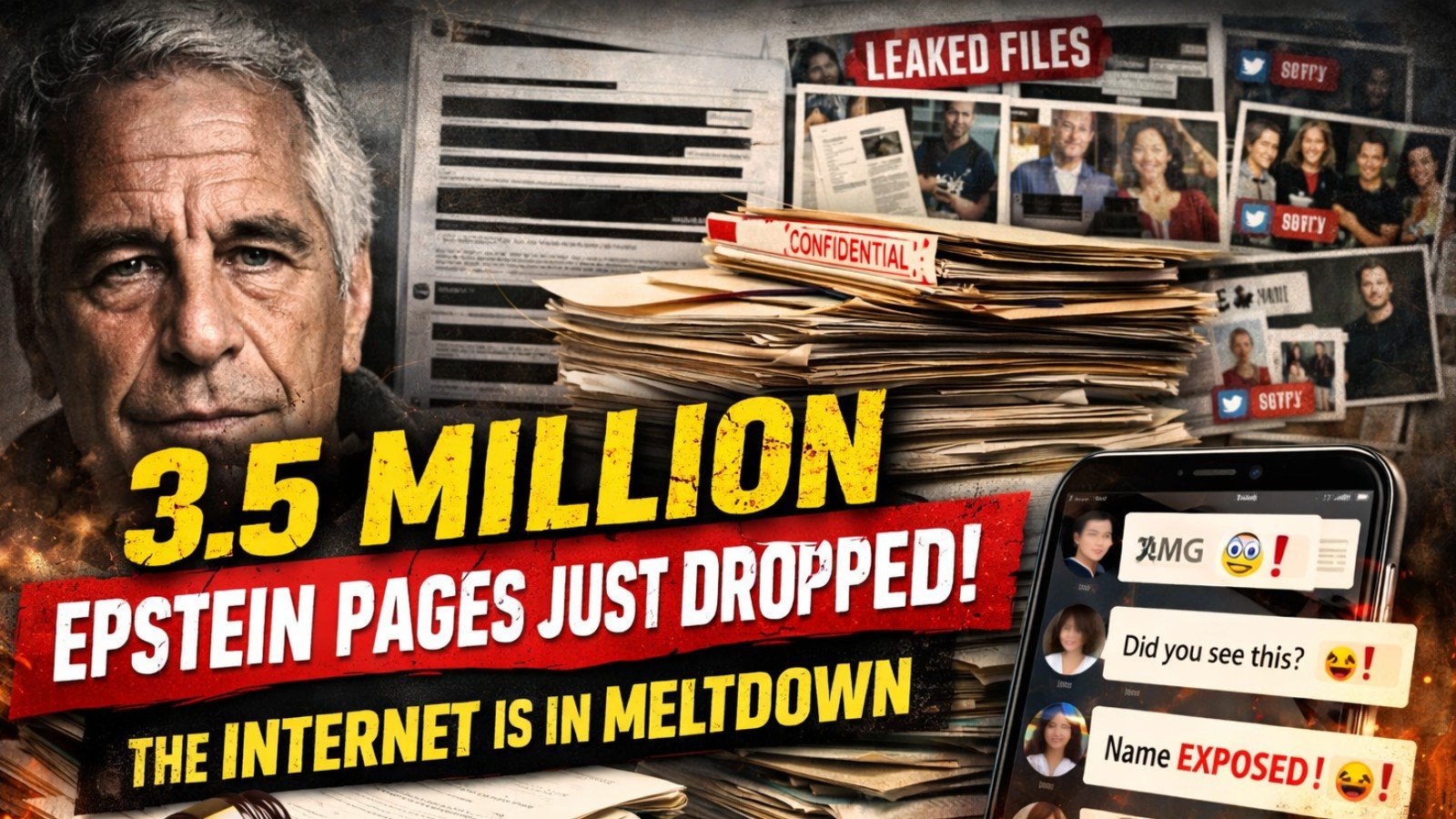
The sudden release of 3.5 million Epstein pages has triggered one of the biggest internet meltdowns in recent memory.
The internet is still in total meltdown after authorities dropped a massive library of documents, and the chaos has only intensified as confusion spreads across social media platforms.
The release, tied to years of legal proceedings involving Jeffrey Epstein, also includes roughly 180,000 images and more than 2,000 videos. While the documents themselves began surfacing days ago, confusion exploded online after reports of redaction errors and withdrawn files sent social media into overdrive.
If your timeline suddenly feels unhinged, you’re not alone.
Across TikTok, X, and Instagram, feeds have been flooded with blurry screenshots, cropped PDFs, and dramatic captions claiming that “everyone is exposed.” Names started trending. So-called “lists” began circulating. Creators raced to break the story in 30-second clips — often without context.
Contents: What dropped • Why it’s trending • Fake lists explained • What it really exposed
Table of Contents
What actually dropped — and what didn’t
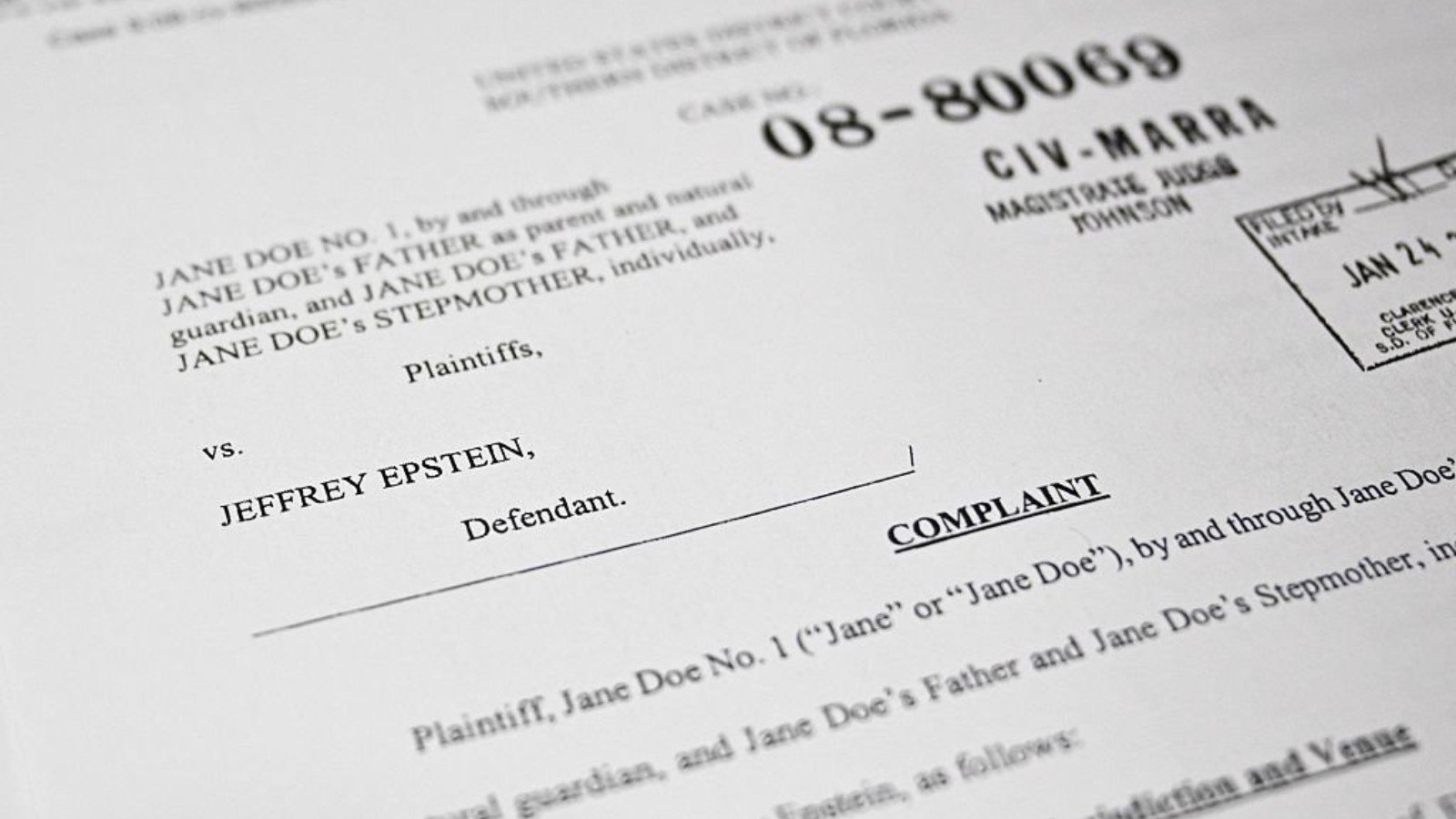
The document release includes court filings, testimonies, emails, and reference material collected across years of investigations. Many names appear simply because they were mentioned, contacted, or referenced in records — not because they were accused or charged with any crime.
As more Epstein pages surfaced online, users began sharing screenshots without context, turning complex legal material into viral speculation within hours.
That distinction matters legally.
Online, it vanished almost instantly.
Why your feed feels completely broken
Once the first screenshots went viral, the algorithm did the rest. Context was stripped away, clips were reposted without explanation, and speculation spread faster than corrections could keep up.
Legal nuance doesn’t trend. Shock does.
The fake “lists” problem
As attention spiked, misleading and outright fake lists began circulating. Some posts mashed together unrelated pages. Others recycled old documents and presented them as new. In several cases, verified material was mixed with fabricated claims — making it nearly impossible for casual viewers to tell what was real.
A few things to keep in mind:
- Appearing in the files does not imply wrongdoing
- No new accusations or charges were announced with this release
- Many viral claims circulating today are unverified or false
This follows a growing pattern of viral misinformation trends discussed in our recent Scandals coverage.
What This Moment Really Exposed
This wasn’t a sudden revelation of millions of crimes. It was a live demonstration of how quickly the internet turns raw legal data into viral drama.
The Epstein pages didn’t just resurface an old case — they exposed how the attention economy rewards speed over accuracy. Legal documents are written for courts, lawyers, and investigators, not for timelines, reaction videos, or cropped screenshots. Yet platforms built for instant engagement have transformed complex material into bite-sized speculation.
As fragments of the Epstein pages continue circulating, even well-meaning users are spreading misinformation by sharing pieces without context. Once a narrative goes viral, corrections rarely travel as far as the original claim. Confusion solidifies faster than clarity.
Until verified reporting and full context catch up with social media virality, the Epstein pages will continue fueling noise rather than understanding. In moments like this, the loudest narratives almost always move faster than the most accurate ones — and judging by the ongoing meltdown, this story isn’t cooling down anytime soon.
This kind of information overload also explains why Epstein pages dominate feeds longer than expected. When the volume is this extreme, audiences don’t process facts — they react to fragments. That reaction loop keeps the story alive, even when no new verified information is added, prolonging confusion across platforms. That’s exactly how viral confusion sustains itself long after the initial document drop fades.
As reported by the U.S. Department of Justice, the document release includes millions of pages from years of legal proceedings.
This story is part of our ongoing coverage of internet drama and viral misinformation.
Think your feed got it right — or completely wrong?
Get the full story without the noise.
Subscribe to ClickJab’s Daily Viral Tea for the drama, minus the misinformation.












1 Comment